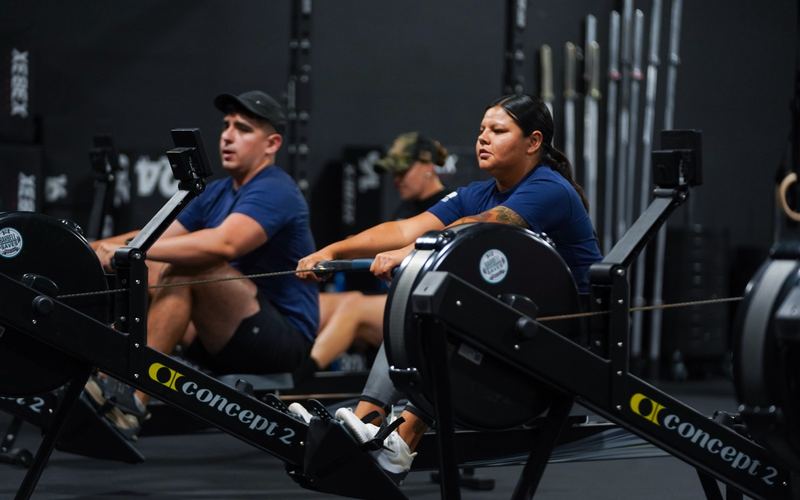
Walk into most outpatient treatment programs and you'll find a circle of chairs, a whiteboard, and a lot of talking. That's not a criticism — therapy works. But there is another tool, backed by a growing body of research, that most addiction treatment centers have almost entirely ignored: exercise. At The Barbell Saves Outpatient Center, we built our entire model around the conviction that physical recovery and mental recovery are inseparable.
What the Research Actually Says
The science on exercise and addiction recovery is not new — it's just underutilized. Studies going back decades show that regular aerobic exercise and resistance training significantly improve outcomes for people in recovery from alcohol, opioids, stimulants, and other substances.
Key Findings From the Literature:
- A 2017 review published in Mental Health and Physical Activity found that exercise interventions reduced substance use cravings and improved abstinence rates across multiple substance types.
- Research from the University of Texas found that aerobic exercise reduced cocaine cravings by up to 50% in participants who had recently used.
- A study in Drug and Alcohol Dependence found that resistance training improved mood, reduced anxiety, and decreased dropout rates in IOP participants.
- Multiple studies show that exercise improves sleep quality, which is often severely disrupted during early recovery and a key predictor of relapse.
This is not fringe science. The American Society of Addiction Medicine (ASAM) and the Substance Abuse and Mental Health Services Administration (SAMHSA) both acknowledge exercise as a valuable adjunct to addiction treatment. The question isn't whether it works — it's why more programs aren't doing it.
What Happens in Your Brain During Exercise
To understand why exercise helps in recovery, you need to understand what addiction does to the brain — specifically to the dopamine system.
Substances of abuse work largely by flooding the brain with dopamine, the neurotransmitter associated with reward, motivation, and pleasure. Over time, the brain downregulates its natural dopamine production and reduces the number of dopamine receptors in response to this artificial flood. The result: sober life feels flat, gray, and unrewarding. This is the neurological root of post-acute withdrawal syndrome (PAWS) and one of the biggest drivers of relapse.
Exercise as a Natural Dopamine Reset
Exercise — particularly aerobic exercise and strength training — stimulates the release of dopamine, serotonin, norepinephrine, and endorphins. It also promotes the growth of new neurons in the hippocampus (neurogenesis) and increases brain-derived neurotrophic factor (BDNF), a protein that supports healthy brain function and stress resilience.
In plain terms: exercise gives your brain a natural, sustainable reward signal. It begins to rebuild the dopamine system that addiction damaged. It is not a substitute for therapy, but it works alongside it to restore the brain's ability to experience pleasure from ordinary life — which is essential for long-term sobriety.
How Barbell Saves Integrates Fitness Into Treatment
Most treatment centers gesture toward wellness. Barbell Saves was built around it. Our facility combines a fully licensed outpatient treatment program with a real, fully equipped gym — under the same roof. This isn't a side perk. It's a clinical design decision.
What Fitness-Integrated Treatment Looks Like in Practice:
- Structured gym sessions are built into the weekly program schedule, not left to individual motivation.
- Yoga and mindfulness are woven into the clinical curriculum to address anxiety, trauma responses, and cravings through body-based practices.
- Individualized movement plans are developed in partnership with clients based on fitness level, health history, and personal goals.
- Peer accountability in the gym builds community and shared identity around health rather than substance use.
- Licensed clinicians and fitness staff collaborate to ensure the physical and behavioral components of treatment reinforce each other.
We've seen clients who came in skeptical — people who hadn't exercised in years, who didn't think "the gym thing" was for them — leave with a genuine love for movement. That shift matters. It creates a new identity and a new set of coping tools that go well beyond sobriety.
The Free Lifetime Gym Membership
We know that staying active after treatment is just as important as being active during it. That's why every client who completes The Barbell Saves program receives a free lifetime membership to our on-site gym.
This isn't a promotional gimmick. It's a clinical decision rooted in relapse prevention. Keeping our graduates connected to the facility, to the community, and to the habit of movement gives them a sustainable anchor in early and ongoing recovery. They can come back to work out, to see familiar faces, and to remember who they are becoming.
Recovery doesn't end at program graduation. Neither does your membership.